The Urban Shift: What Florida’s Booming Downtowns Mean for Commercial Real Estate

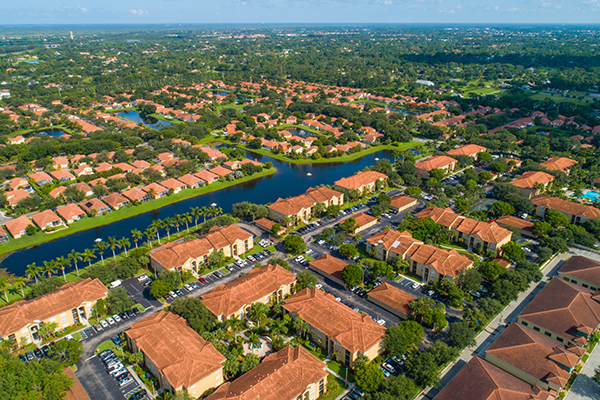
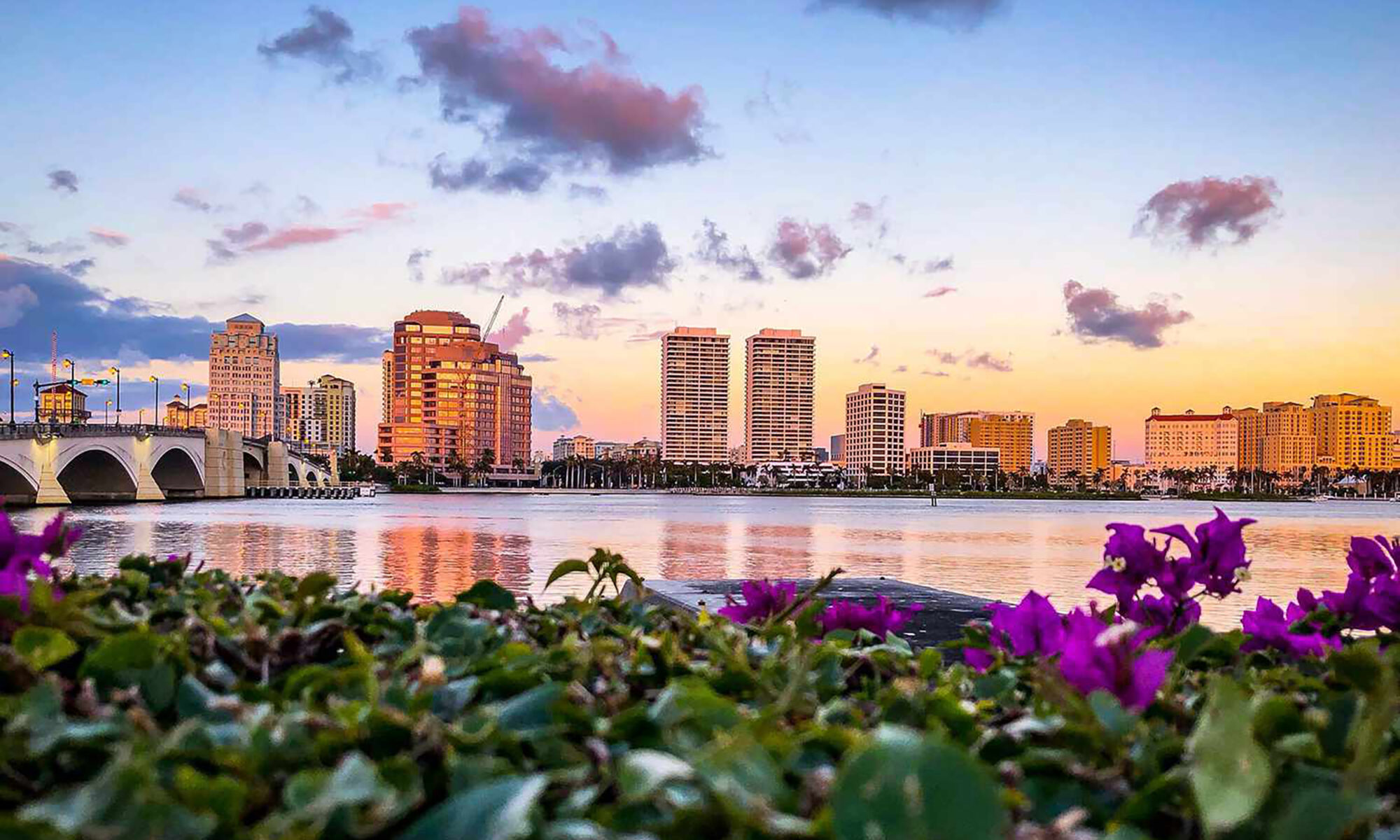
South Florida’s urban cores—Miami, Fort Lauderdale, and Delray Beach—are in the midst of a commercial and cultural transformation. No longer defined solely by tourism or beachfront living, these city centers are evolving into economic powerhouses that attract business, talent, and capital. At Cohen Commercial, we help clients navigate this shift with insight, strategy, and regional expertise rooted in the realities of South Florida’s dynamic markets.


Miami: Skyrocketing Growth & Global Positioning

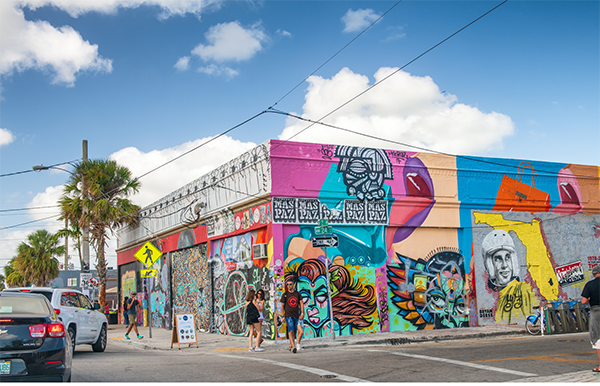
Downtown Miami has emerged as one of the nation’s fastest-growing urban hubs. In 2024 alone, more than 11,300 residential units were initiated—surpassing 2023 figures and reinforcing the city’s continued upward trajectory. Over half of all new residential construction in Florida is now happening in downtown Miami, and most of it is luxury-focused.

This boom isn’t limited to housing. Miami is rapidly becoming a global business capital, drawing in corporate headquarters, financial firms, and high-net-worth individuals from across the U.S. and Latin America. In 2023, exports from the Miami region reached nearly $140 billion, as Brickell and nearby districts gained traction as headquarters locations for multinational companies.

Transit-oriented developments like MiamiCentral—which integrates Brightline and Tri-Rail connectivity with residential, retail, and office space—are helping to reshape how people live and work downtown. With direct access to both regional and intercity transportation, properties near these nodes are seeing major value appreciation.


Fort Lauderdale: Stabilizing for Long-Term Strength

Downtown Fort Lauderdale, once on a rapid construction sprint, is now entering a more stable phase of growth. While development activity has cooled compared to previous years, this deceleration provides space for strategic reevaluation and improved urban planning.

Major transit infrastructure investments—most notably the PREMO Light Rail project, part of Broward County’s $4.4 billion mobility initiative—are set to boost connectivity between downtown, the airport, and Port Everglades by the end of the decade. This future-forward approach to infrastructure is expected to enhance downtown’s appeal and unlock new development potential along the planned transit corridor.


Delray Beach: Smart Growth Through Mixed-Use Vision

Delray Beach continues to thrive by balancing charm with innovation. The Atlantic Crossing development—slated for completion in 2025—is a defining project for the downtown area. It spans 9.2 acres and includes a vibrant mix of office, residential, retail, and structured parking, all integrated within the walkable heart of the city.

Unlike the high-density push seen in Miami, Delray is taking a more curated approach. Downtown continues to attract a steady stream of foot traffic, entrepreneurs, and residents drawn to its human-scale development and small-business-friendly environment. This measured strategy positions Delray Beach as one of South Florida’s most attractive emerging commercial destinations.


Key Drivers Behind South Florida’s Urban Shift

Several major forces are shaping the evolution of South Florida’s downtown real estate landscape. Transit-oriented development continues to be a major catalyst for growth, particularly around Brightline stations in Miami, Fort Lauderdale, and Boca Raton. These areas have seen significant appreciation—home sales near Miami’s station, for example, rose 32%, while property values surged 131% since 2018. At the same time, Miami’s construction boom remains heavily weighted toward luxury residential inventory, shifting the downtown demographic and creating ripple effects across retail, hospitality, and office sectors. Meanwhile, Fort Lauderdale is embracing a more measured development pace, focusing on aligning future growth with infrastructure investments like the PREMO Light Rail initiative. Together, these trends reflect a region in transition—one that rewards thoughtful, localized strategy.


How Cohen Commercial Delivers Value

Cohen Commercial brings unmatched insight into South Florida’s most complex and competitive real estate environments. Whether it’s supporting lease-up strategies in Delray Beach, structuring transit-oriented investments in Miami, or helping businesses secure strategic downtown locations in Fort Lauderdale, we deliver tailored, informed solutions.

South Florida’s downtowns are no longer just growing—they’re evolving. Understanding how to succeed in these environments means understanding how infrastructure, population movement, and business incentives intersect. That’s where we come in.

Sources:

Boca Raton’s Times Square Billboard: A Commercial Real Estate Play

On July 24, 2025, the Sun Sentinel reported that the City of Boca Raton launched a $70,000 digital billboard campaign in the heart of Times Square, New York. The aim? To attract businesses and executives weary of the Northeast’s high taxes, cold winters, and dense urban grind. From a commercial real estate perspective, this isn’t just a flashy marketing stunt—it’s a calculated investment in demand generation and long-term value creation.

By placing the advertisement squarely in front of thousands of daily decision-makers in Times Square, Boca is targeting the very audience that might be exploring secondary offices, satellite hubs, or full-scale relocations. The messaging aligns with current post-pandemic trends: companies are reconsidering their urban footprints and increasingly looking toward the Sun Belt for operational efficiency and talent-friendly climates. This ad positions Boca as a high-quality, accessible, and lifestyle-forward destination that can meet those evolving business needs.

The implications for commercial real estate in Boca Raton are significant. A successful campaign could drive increased demand for office parks, flex industrial space, co-working infrastructure, and even mixed-use development projects. For landlords and developers, this marketing effort serves as a tailwind that can bolster lease negotiations, stabilize occupancy levels, and justify stronger rental terms. Should enough interest convert into tangible relocations, commercial properties in the area could see a marked uptick in leasing velocity and long-term tenant commitments.

The billboard also reflects a broader strategy of economic positioning. By making a visible play in one of the world’s most high-profile advertising corridors, Boca is signaling that it’s open for business—and serious about attracting out-of-state capital. But with that visibility comes responsibility: the city will need to ensure infrastructure keeps pace with potential growth. That includes investments in public transportation, high-speed internet, and workforce housing that can support the growing needs of transplanted firms and their employees.

From a financial standpoint, the $70,000 expenditure represents a small bet with potentially large returns. If even one midsize firm relocates and leases 50,000 to 100,000 square feet of office or industrial space, the tax base and leasing revenue generated could more than compensate for the original outlay. This is classic municipal venture capital at work—small-scale public investment aimed at long-term economic development.

There are also broader implications for Boca’s positioning in the regional competitive landscape. Cities across Florida—including Miami, West Palm Beach, and Fort Lauderdale—are all vying for the same relocating companies. Boca’s campaign helps differentiate it by projecting ambition and forward-thinking in a crowded field. It’s a message not just to New Yorkers, but to other Sun Belt cities as well: Boca Raton is not sitting back—it’s stepping forward.

Going forward, the success of the campaign will depend on measurable outcomes. Are New York-based companies inquiring about site visits? Are brokers fielding new calls tied to the ad? Will Boca’s economic development office share lead data or conversion metrics? These are the questions commercial real estate stakeholders should ask in the coming months. Additionally, if the campaign proves fruitful, the city may scale its marketing push to other regions or refine its messaging to target specific industries like fintech, logistics, or healthcare services.

Ultimately, Boca Raton’s Times Square billboard isn’t just a splashy piece of marketing—it’s a strategic maneuver designed to reframe the city’s role in the national economic conversation. For brokers, developers, investors, and tenants, it’s a signal worth watching. The CRE community should keep a close eye on how this campaign shapes leasing activity, asset values, and urban development over the next year. The success or failure of this initiative could serve as a blueprint—or a cautionary tale—for how smaller markets can use bold, targeted marketing to influence commercial real estate flows in a post-pandemic world.

https://www.sun-sentinel.com/2025/07/24/boca-raton-spent-70000-on-times-square-advertisement-to-lure-new-york-businesses/

How We Use Buildout to Broker Like a Boss

At Cohen Commercial, we don’t just facilitate transactions—we position properties, build brand value, and broker with intention. In a competitive commercial real estate landscape, speed and consistency matter just as much as the deal itself. That’s where Buildout comes in. It’s more than just a marketing platform—it’s a toolkit that allows us to deliver excellence, stay organized, and present listings in a way that reflects our brand’s caliber. From listing presentations to offering memorandums, Buildout helps us operate with precision and professionalism.

Custom Templates Create Consistency

From the first impression to the final document, consistency is everything. Buildout lets us take default templates and refine them to reflect the exact voice and style of Cohen Commercial. Our cover pages, internal layouts, and data presentations have all been carefully adapted to match our brand standards. This isn’t just about looking good—it’s about building trust. Clients expect a polished experience, and with our templates customized through Showcase+, every single asset we produce reinforces the value and professionalism they can expect from us.

Streamlined Marketing from Listing to Close

Buildout doesn’t just help us create documents—it powers our full marketing engine. As soon as a listing is live, we can generate a fully branded website and deploy targeted email campaigns directly through the platform. There’s no need to juggle multiple tools or designers. Buildout helps us move faster, maintain quality, and keep everything centralized. And when it’s time to share materials with potential buyers or brokers, we can control access at multiple levels, ensuring the right people see the right documents at the right time. That seamless experience helps us move from lead to close with efficiency—and confidence.

A Platform That Tells a Better Story

In commercial real estate, storytelling matters. Buildout enables us to tell compelling, visually rich stories with every listing. Through customized maps, multimedia integrations like aerial drone footage or virtual tours, and on-brand design, our materials don’t just inform—they persuade. Whether it’s an institutional investor reviewing an offering memorandum or a local tenant looking at a property website, the message is clear: we are professionals who know the market, and we know how to position properties to win.

Why We Broker Like Bosses

Buildout gives us the tools to do what we do best—faster, smarter, and with more impact. Our team spends less time formatting and more time closing. Clients get high-quality materials that inspire confidence. And our brand stays strong and consistent, no matter how many listings we’re managing. Buildout doesn’t just support our workflow—it elevates our entire brokerage strategy.

At Cohen Commercial, brokering like a boss means being efficient, consistent, and bold in presentation. Thanks to Buildout, we do all of that—and more—every single day.

https://www.buildout.com/blog-posts/beyond-basic-elevate-your-brand-with-showcase-customization-tools

An Historic Waterfront Gem Reimagined: The Buccaneer Returns to Singer Island

A Landmark Revival with Commercial Real Estate Impact

The recent grand reopening of the Buccaneer Waterfront Bar & Grill on Singer Island marks more than the return of a beloved local restaurant — it’s a key development in the commercial real estate revitalization of Palm Beach County. Closed since 2020, the Buccaneer has been completely reimagined under the ownership of Sharfi Holdings Inc., which purchased the property in 2021. Their investment reflects a growing trend: restoring iconic spaces to bring both historic value and economic vitality back to the community.

Strategic Location: Real Estate Worth Reviving

Situated on the Intracoastal Waterway at 383 Blue Heron Blvd, this site has long held prime value thanks to its waterfront access and location just before the bridge to the beach. The Buccaneer’s transformation taps into the increasing demand for experiential dining in high-traffic tourist and local hotspots. From a real estate standpoint, the property’s revival enhances the surrounding area’s appeal — boosting not only tourism but also increasing the value of neighboring commercial and mixed-use properties.

Preserving History, Creating Value

Sharfi Holdings’ approach blended preservation with modernization. Signature elements of the original 1960s Buccaneer, like the tropical underwater mural and handcrafted wooden bar, have been thoughtfully restored, adding nostalgic charm to the updated space. This kind of mindful redevelopment is a hallmark of successful commercial real estate strategies — honoring the past while appealing to modern tastes, resulting in a differentiated and highly marketable asset.

Star Power: A Culinary Anchor Tenant

A standout feature of the Buccaneer’s rebirth is the hiring of Chef Paul Niedermann, winner of Season 9 of Hell’s Kitchen. His culinary influence not only elevates the guest experience but also serves as a commercial draw, increasing the destination’s viability and visibility. Just as anchor tenants can drive traffic in retail centers, a notable chef can anchor a restaurant’s appeal and drive foot traffic in hospitality-driven properties.

Community Impact and Economic Revitalization

The restaurant’s reopening is already stimulating local economic activity by generating jobs, increasing visitor numbers, and bringing renewed energy to Singer Island. Projects like this demonstrate how hospitality ventures contribute to larger commercial development goals — supporting local employment, encouraging further investment, and enhancing quality of life in the surrounding community.

A Case Study in Smart Redevelopment

From a commercial real estate lens, the Buccaneer is a strong example of adaptive reuse and strategic reinvestment. It shows how historic properties, when revitalized with care and purpose, can become vibrant economic drivers. As Palm Beach County continues to evolve, developments like this will play a critical role in shaping the future of its real estate and hospitality landscape.

Source:
 Adapted from the original article by Liz Balmaseda in the Palm Beach Post titled “Palm Beach County restaurant resurrected with menu by ‘Hell’s Kitchen’ chef” (March 20, 2025).

Palm Beach’s Sole Gas Station Sells for $11.94M — A Testament to High-Value Commercial Real Estate

In the world of commercial real estate, location and uniqueness often drive value — and there’s no better example than the recent $11.94 million sale of Gray’s Sunoco, the only gas station on the island of Palm Beach. This record-setting transaction reflects the scarcity and desirability of commercial properties in affluent markets.

A One-of-a-Kind Commercial Asset

Situated at 340 S. County Road, near Palm Beach Town Hall, Gray’s Sunoco has long been more than just a gas station. With its full-service pumps and ability to service high-end vehicles like Rolls-Royces and Ferraris, it serves as both a community staple and a critical service point in times of need — particularly during hurricane season when fuel supplies run low.

The property, which includes four service bays and a small convenience store, sits on just four-tenths of an acre. Yet, its small footprint didn’t stop it from commanding a premium price — a hallmark of high-value commercial real estate in exclusive markets.

From $2.6M to $11.94M in Two Decades

The seller, Peter Berley, acquired the property in 2005 for $2.6 million. After 20 years of ownership, the recent sale represents a nearly fivefold increase in value, reflecting Palm Beach’s booming real estate market and the rising importance of essential-use properties.

The buyer, Alexander Hufty Griswold, is a well-known Palm Beach real estate investor with deep family roots in the area. Through a Delaware-registered LLC linked to his Armata Holdings Management Corp., Griswold secured the property with the intention of maintaining its current use.

Why This Sale Matters

This transaction highlights several key trends in commercial real estate:

• Scarcity Drives Value: As the only gas station in Palm Beach, Gray’s Sunoco offers a rare, irreplaceable service. In markets where land is limited and zoning is strict, unique commercial assets often appreciate faster than traditional properties.

• Community-Centric Investments: Griswold’s commitment to preserving the property as a gas station reflects a growing emphasis on investing with community impact in mind. Essential-use properties that serve local needs can maintain stable demand regardless of market cycles.

• Historical and Emotional Value: The station’s history dates back to the early 20th century, adding sentimental value to its already prime location. Properties with a legacy often command higher prices due to their cultural and historical significance.

What This Means for Commercial Real Estate Investors

The $11.94 million sale is a reminder that not all commercial real estate is created equal. In exclusive markets like Palm Beach, properties that blend necessity, scarcity, and history can achieve exceptional valuations. Investors seeking long-term appreciation should consider essential-use properties in high-demand areas where competition is low but impact is high.

As Palm Beach continues to evolve, the preservation of landmarks like Gray’s Sunoco demonstrates that commercial real estate is about more than just transactions — it’s about sustaining the fabric of the community.

At Cohen Commercial, we understand the value of unique commercial assets. Whether you’re buying, selling, or investing, we’re here to help you navigate the market with confidence.

Cited Source: Palm Beach Daily News, “Palm Beach’s Sole Gas Station, Which Offers Full-Service Pumps, Sells for $11.94M” by Darrell Hofheinz, March 20, 2025.

Philly Pretzel Factory Expands to Central Florida

Philly Pretzel Factory Expands to Central Florida

Philly Pretzel Factory, the nation’s largest Philly-style pretzel brand, is making its way to Central Florida! Thanks to a new strategic partnership with veteran business leader Derek Lewis, Orlando-area residents will soon get to experience the authentic taste of Philadelphia’s most iconic snack.

This exciting expansion marks a major milestone for Philly Pretzel Factory as it continues its national growth strategy. In addition to opening new Philly Pretzel Factory stores, Lewis’s Big Dave’s Cheesesteaks locations will also begin serving Philly Pretzel Factory’s signature soft pretzels.

The soft pretzel market is seeing consistent growth as more consumers seek out convenient, innovative snacks. Philly Pretzel Factory’s commitment to traditional recipes and fresh ingredients has made it a standout brand that appeals to snack lovers of all ages.

The first traditional Philly Pretzel Factory locations in Central Florida are expected to open later this year, with potential non-traditional locations possibly arriving even sooner. Stay tuned for updates and get ready to enjoy a true taste of Philly, right here in Florida!

Source: QSR Magazine. “Philly Pretzel Factory Signs Deal to Open in Central Florida.” Published March 7, 2024. Read more.

Behind the Scenes: A Day in the Life of a Commercial Facilities Manager

Commercial real estate requires more than just leasing spaces and collecting rent—it’s about maintaining properties that are safe, functional, and visually appealing for tenants and customers alike. Behind the scenes, facilities and maintenance teams work diligently to keep everything running smoothly.

We sat down with Matthew Sorrentino, Facilities Manager and key member of our property management team, here at Cohen Commercial, to learn more about his role, the challenges he faces, and what goes into maintaining commercial properties at the highest standards.

From Residential to Commercial: Matt’s Journey

Originally from New York, Mr. Sorrentino moved to Florida at a young age and later attended Florida Atlantic University, earning a degree in Communication Management. His career began in luxury residential property management before transitioning to the commercial sector, where he now plays an essential role in Cohen Commercial’s property management and facilities team.

A Day in the Life of a Facilities Manager

“No two days are ever the same,” Sorrentino explains. While the team follows a structured routine—driving properties, responding to emails, addressing tenant concerns, and overseeing ongoing maintenance projects—unexpected challenges always arise. “We get curveballs, and that’s what keeps it exciting,” he says. Staying proactive and present on-site ensures that properties remain in top condition for tenants and their customers.

Challenges in Commercial Property Maintenance

With high-traffic commercial properties, wear and tear is inevitable. “Keeping up with the amount of traffic on our properties is one of the biggest challenges,” Sorrentino notes. Whether it’s heavy footfall, ongoing construction, or adverse weather conditions, maintaining safety, cleanliness, and functionality is an ongoing effort.

The most common maintenance issues? “Roof leaks and potholes,” he says. Florida’s rainy season takes a toll on commercial properties, making it crucial to address these issues before they escalate into bigger problems. “Roof leaks, if left unchecked, can lead to major structural damage,” Sorrentino explains. “Our team works diligently to address them immediately, especially during the rainy season. That’s a success story we live every day.”

Preventative maintenance is key to prolonging the life of a property. Mr. Sorrentino emphasizes the importance of routine roof inspections and parking lot upkeep. “Protecting your roof and parking lot should be a priority for any property owner. Regular maintenance, such as sealing cracks and re-striping parking lots, can prevent costly repairs down the line.”

The Key to Strong Tenant & Vendor Relationships

A major aspect of Matt’s role is ensuring smooth communication between property managers, tenants, and vendors. Transparency is critical. “Being honest and upfront with tenants and vendors builds trust and ensures better collaboration,” he explains. Encouraging tenants to report maintenance issues promptly allows the team to address concerns before they become larger problems.

Unexpected Repairs

Mr. Sorrentino recalls the most unexpected repair he’s dealt with as a sinkhole that suddenly appeared at one of the West Coast properties his company manages. “It took a lot of investigation, time, and effort to resolve,” he says. Initially, the team wasn’t sure what caused it, which made it even more challenging. The situation required quick action, as the sinkhole posed a risk to the property and its residents.

To address it, Mr. Sorrentino quickly called in a geotechnical engineering team to assess the underlying causes of the sinkhole. They worked alongside contractors to gather data on the soil and any nearby structural weaknesses. Together, the team was able to identify that it was due to a mix of heavy rainfall and natural erosion, which compromised the ground’s integrity.

The repair process was lengthy, involving the stabilization of the ground and the installation of reinforcements to prevent further issues. The team had to bring in additional equipment, including drilling machinery to fill the hole and reinforce the foundation. The project took several weeks to complete, and every step required careful attention to avoid complications.

Mr. Sorrentino emphasizes the importance of quick action and teamwork in such unexpected situations. “Everything took a toll on us—time, focus, and resources—but we managed to handle it with the help of everyone involved, from engineers to contractors. It was a true team effort to get the property back in shape.”

Advice for Tenants & Aspiring Facilities Managers

For tenants, Mr. Sorrentino’s advice is simple: communicate openly. “Let us know about any concerns as soon as they arise. The more we know, the better we can address them and keep the property in excellent condition.”

For those interested in a career in property and facilities management, he emphasizes the importance of organization, time management, and problem-solving skills. “You have to juggle multiple tasks and adapt quickly. Staying on top of maintenance schedules and prioritizing tasks effectively are key to success.”

Looking Ahead: The Future of Facilities Management

As commercial property management continues to evolve, Mr. Sorrentino sees technology playing an even bigger role in maintenance operations. “AI and automation are already changing the way we receive estimates, track invoices, and manage projects. But at the end of the day, property maintenance still relies on skilled professionals to get the job done.”

Mr. Sorrentino also envisions Cohen Commercial continuing to grow by expanding vendor relationships, improving maintenance processes, and adopting more efficient systems to enhance workflow. He believes that while technology will streamline many aspects of the job, the key to success remains a strong, hands-on approach to property management and proactive problem-solving.

At Cohen Commercial, our facilities team plays a vital role in maintaining high standards across our properties. Mr. Sorrentino and his team’s dedication ensures that our tenants and their customers enjoy a safe, clean, and well-maintained environment every day.

Interested in learning more about our property management services? Contact us today to see how we can keep your commercial property in top shape! –> (561) 471-0212

Westlake’s Commercial Growth: Walmart and Lowe’s Signal Market Maturity

The city of Westlake, Palm Beach County’s newest municipality, is attracting major national retailers, with Walmart and Lowe’s set to present development plans for new locations along its commercial corridor. This expansion underscores the increasing demand for retail infrastructure driven by rapid residential growth in the western suburbs.

Westlake, developed by Minto Communities, has seen significant housing expansion, with over 3,300 residential permits issued since 2017. The area has capacity for 6,500 homes and 2.2 million square feet of commercial development. This rising population density makes it a prime target for retailers seeking to capitalize on growing consumer demand.

Strategically located on Seminole Pratt Whitney Road, the proposed Walmart and Lowe’s would be the westernmost locations for both chains in Palm Beach County. Walmart’s inclusion of fuel pumps suggests a competitive positioning against retailers like Costco. These additions are expected to serve not only Westlake but also neighboring communities such as Loxahatchee and Belle Glade.

Commercial real estate experts note that retailers follow population growth, and Westlake’s trajectory mirrors trends seen in other suburban expansions. The introduction of these big-box anchors is likely to attract additional retailers, restaurants, and service providers, enhancing the city’s economic ecosystem.

With national brands like Publix, Starbucks, and Planet Fitness already establishing a presence, Walmart and Lowe’s further solidify Westlake’s emergence as a key retail destination. Their presence is expected to boost property values, generate jobs, and support small business growth, transforming Westlake from a residential hub into a fully integrated live-work-play community.

City officials anticipate council approvals by early 2025, marking a significant milestone in Westlake’s commercial development.

Sources:

https://www.palmbeachpost.com/story/news/local/wellington/2024/12/06/walmart-lowes-may-bring-big-box-stores-to-westlake-florida-city-manager-says/76597813007/

Upland Park: Miami-Dade’s $1B Transit-Driven Landmark

A new sight is coming to South Florida. Terra Development will be starting its new development of Upland Park after securing a $170 million construction loan from Slate Property Group for phase 1. The $1 Billion project is set to begin in early 2025, with a formal groundbreaking ceremony. This will mark the start of Miami-Dade County’s largest public-private transit-orientated project in history.

Dual Purpose

The project is set to feature both residential and commercial spaces with phase 1 consisting of 578 apartments. Terra has partnered with PPK Architects, Arquitectonica and Plusurbia Design in order to create 2,000 garden-style and mid-rise apartments. In addition, the project’s 47 acres will also feature 282,000 square feet of retail space and 414,000 square feet of other commercial space.

Why Upland Park

Upland Park was created in order to support Miami-Dade County’s SMART plan. The SMART plan is a large-scale initiative with the purpose of expanding the public transit system to increase the connection within the county. Upland Park will be placed strategically in the East-West Corridor promoting its public transportation by offering a center for housing, retail and commercial spaces. The county hopes to fight its problem of traffic congestion and limit private vehicles. In addition, Upland Park is expected to create thousands of jobs and generate tremendous amounts of revenue.

Upland’s Future

Phase 1 of the project is expected to be completed by the second quarter of 2025, with the construction of residential area. With the timeline of phase 2 undeclared, it can be expected that the Upland Project will not be completed for the next few years.

Sources:

rebusinessonline.com/terra-obtains-170m-construction-loan-for-first-phase-of-1b-upland-park-mixed-use-project-in-south-florida/

www.terragroup.com/property/upland-park/

www.multihousingnews.com/terra-lands-construction-loan-for-1b-miami-project/

A New Use for Unused Buildings: Self Storage Facilities

The Rise of Adaptive Reuse in Self-Storage

Around 9% of the total self-storage space in the U.S. comes from adaptive reuse, with 78% of these conversions happening in industrial buildings and 16% in former retail spaces. This trend is a creative solution to meet the increasing demand for storage while giving new life to older structures.

Why It Works

Building new self-storage units can be costly, especially with expensive land and zoning restrictions. In contrast, repurposing existing buildings is often more affordable. As StorageCafe’s Maria Gatea explains, converting a structure means fewer materials are needed, and labor costs are typically lower. Industrial buildings are ideal due to their high ceilings and open layouts, which make them easier to convert, while retail spaces may require more modifications.

The Appeal of Location

Converted self-storage facilities are often found in urban areas, making them convenient for renters. With fewer zoning challenges compared to new developments, adaptive reuse allows developers to build storage units closer to where people live and work. Plus, they tend to be more affordable than purpose-built storage units, offering budget-friendly options for city dwellers.

Looking Ahead

As cities grow denser and land becomes scarcer, the demand for self-storage in urban areas will only increase. Adaptive reuse offers a cost-effective way to meet this demand without requiring new land. Chicago is leading the charge with over 7.3 million square feet of converted space, and New York City is also seeing a surge in conversions.

In short, adaptive reuse in self-storage is a smart, sustainable solution for urban areas. As the trend continues, repurposing old buildings will play a key role in meeting the storage needs of growing cities.

Sorter, Amy Wolff. “A New Use for Unused Buildings: Self Storage Facilities.” Connect CRE, 14 Nov. 2024, www.connectcre.com/stories/a-new-use-for-unused-buildings-self-storage-facilities/. Accessed 20 Nov. 2024.