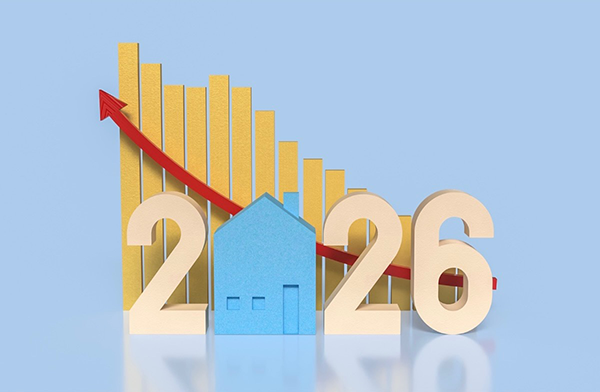
Commercial Real Estate in 2026: Five Trends That Will Shape the Market

The commercial real estate market is entering 2026 in a very different position than it was just a few years ago. Higher interest rates, shifting work habits, changing consumer behavior, and rapid technological advances have reshaped how investors, developers, and tenants think about property.

Rather than a full rebound or collapse, 2026 is shaping up to be a year of recalibration, where success depends on strategy, efficiency, and adaptability. Below are five key trends that will define commercial real estate in the year ahead.

1. Performance Will Matter More Than Price Growth

The era of easy appreciation is over. Investors are now prioritizing operational strength, stable tenants, strong lease structures, and consistent cash flow—over speculative value growth. Properties with predictable income, efficient management, and long-term demand drivers will outperform in a more disciplined market.

2. Property Types Are Splitting Into Winners and Losers

Not all sectors are moving at the same pace.

  • Industrial and logistics properties remain in high demand due to e-commerce and supply chain reconfiguration.

  • Multifamily remains resilient as housing affordability keeps renters in the market.

  • Office continues to divide between premium, amenity-rich buildings and outdated properties that must be repositioned or repurposed.

This widening gap means location, building quality, and flexibility now matter more than ever.

3. Technology Is Becoming a Core Asset

Artificial intelligence, data analytics, and smart building systems are no longer optional tools, they are central to how real estate is valued, operated, and marketed. Owners who invest in data integration, automation, and tenant experience technology will gain a major advantage in efficiency, forecasting, and cost control.

4. Capital Is More Selective

Financing is available, but it is no longer easy. Lenders and investors are favoring properties with strong fundamentals, clear business plans, and long-term resilience. At the same time, capital is flowing into emerging real estate sectors such as data centers, energy infrastructure, and mixed-use developments, changing where money is being deployed.

5. Sustainability and Location Will Drive Long-Term Value

Tenants and investors increasingly expect properties to be energy-efficient, environmentally responsible, and well-located. Buildings that reduce operating costs, support flexible work, and offer access to dense, talent-rich markets will be better positioned to maintain value as population growth slows and competition increases.

Final Thoughts

Commercial real estate in 2026 is not about quick wins, it is about smart positioning. The next cycle will reward owners and investors who focus on fundamentals, embrace technology, and align with long-term market needs. Those who adapt will find opportunity, even in a more competitive and complex environment.

References:

https://www.floridarealtors.org/news-media/news-articles/2025/11/top-2026-commercial-real-estate-issues-watch

https://www.duckfund.com/blogs-re/commercial-real-estate-digital-transformation

Seasonal Demographics and Commercial Real Estate in South Florida

As winter approaches, South Florida experiences one of the most pronounced and economically impactful seasonal demographic shifts in the United States. For commercial real estate professionals and investors, this shift brings both challenges and opportunities, from changes in consumer foot traffic to evolving tenant demand. Understanding these seasonal patterns is key to successful leasing, development strategy, and market positioning.

The Winter Influx: Who’s Coming and Why It Matters

Every year between roughly November and April, South Florida welcomes a significant seasonal population increase, traditionally driven by “snowbirds”, older adults and retirees from colder regions seeking milder winter weather. These seasonal visitors often rent or purchase property, fueling demand across residential and commercial markets.

Beyond traditional snowbirds, broader demographic trends also include remote workers, affluent relocators, and younger seasonal residents, all contributing to a more diverse and economically active winter population. This expanding seasonal base has implications for retail centers, office space utilization, medical services, and hospitality venues throughout the region.

Commercial Demand & Seasonal Consumer Activity

An influx of seasonal residents translates directly into greater consumer activity, particularly in retail, dining, and service sectors. Snowbirds and winter visitors increase foot traffic in high-profile shopping districts, mixed-use developments, and entertainment areas, which in turn elevates demand for leasable retail space, drives more short-term and seasonal tenant inquiries, and improves overall performance metrics for properties located near lifestyle and destination hubs. In fact, South Florida’s commercial real estate market continues to experience heightened leasing activity and lower vacancy rates, especially along key corridors in Palm Beach and West Palm Beach, where seasonal traffic and ongoing migratory inflows help keep demand strong.

Office and Professional Space: Evolving Usage Patterns

As seasonal populations grow more diverse, demand for commercial office space is also shifting across South Florida. Many winter residents now include professionals and remote workers, which is driving increased need for flexible office and coworking environments, medical and professional office space in high-traffic corridors, and satellite offices or meeting spaces that can support seasonal business cycles. Together, these trends reflect a broader shift in the market, as South Florida is increasingly viewed not just as a seasonal refuge, but as a year-round economic hub, fueled by relocations from major U.S. markets and a steadily growing professional population that remains active beyond the winter months.

Retail, Hospitality & Local Market Dynamics

Seasonal demographic patterns strongly influence retail and hospitality demand across South Florida. As the population swells during the winter months, restaurants and entertainment venues experience higher patronage, seasonal rentals, particularly short-term accommodations, see boosted occupancy, and hotels and hospitality operators adjust pricing and service offerings to capitalize on increased demand. For commercial property owners and investors, aligning leasing strategies and tenant mixes with these seasonal patterns can help optimize occupancy rates, enhance tenant performance, and maximize rental income during peak season.

Navigating Risks and Long-Term Shifts

While the winter influx continues to support strong market fundamentals, shifts in broader demographic patterns (such as changes in buyer behavior or longer-term relocation trends) require vigilance. Seasonality still plays a strong role in South Florida’s market, but an evolving demographic landscape, influenced by rising migration from other states, remote work trends, and changing snowbird behaviors, means commercial real estate professionals must be adaptive to both seasonal and long-term shifts.

South Florida’s transition into the winter season brings much more than warmer weather — it brings a significant demographic shift that influences commercial real estate demand across sectors. From increased retail activity and professional space utilization to higher occupancy in hospitality and lifestyle venues, understanding and anticipating the impacts of seasonal population changes is essential for stakeholders looking to position their assets for success. By staying attuned to these trends, brokers, investors, and property owners can maximize lease performance, capitalize on seasonal dynamics, and strategically plan for growth throughout the year.

Works Sited:

https://www.floridarealtors.org/news-media/news-articles/2025/07/florida-sees-surge-commercial-real-estate
https://aheegroup.com/blog/snowbird-season-in-south-florida-what-it-means-for-the-real-estate-market
https://money.com/pandemic-snowbirds-remote-work-trend