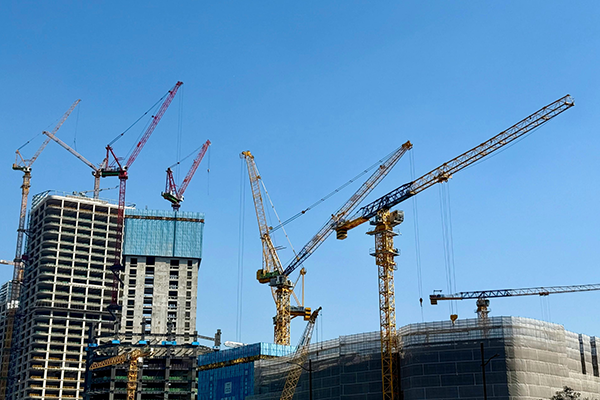
Just outside Palm Beach Gardens, a construction project is turning heads — and not because of its size or style, but because of how it’s being built. Crews are assembling one of the region’s first 3D-printed homes, a modern concrete structure created layer by layer using advanced printing technology. This method replaces traditional block and mortar work with precision printing, resulting in a home that is efficient, resilient, and environmentally conscious.
Led by Marco Designs 3D Concrete Printing, the project highlights the growing role of technology in reshaping the housing market. The company’s process uses a large-scale printer that extrudes concrete in carefully measured layers, minimizing waste and reducing labor costs while maintaining strength and durability. The homeowners, who have built several properties before, were drawn to the project’s promise of innovation and long-term sustainability — especially valuable in South Florida’s storm-prone climate.
This new approach to homebuilding carries major implications for the real estate industry. For firms like Cohen Commercial Realty, it reflects an evolution in how property value is understood. Factors such as energy efficiency, construction method, and environmental impact are beginning to hold as much weight as location and design. 3D printing not only speeds up construction timelines but also reduces costs associated with material waste, labor shortages, and weather-related delays.
As local governments adapt building codes and inspection processes to accommodate this emerging technology, the potential for growth is tremendous. If 3D-printed homes prove cost-effective and durable over time, Florida could see an expansion of this method into larger residential and commercial developments.
In many ways, the Palm Beach Gardens home is more than just a construction project — it’s a symbol of what’s ahead for the housing and commercial real estate markets. By embracing innovation, builders and investors alike are helping to shape a future where sustainable design, rapid construction, and technological progress go hand in hand.
The Greatest Show on Earth is back. Ringling Bros. and Barnum & Bailey are hitting the road again in 2026 — reimagined, animal-free, and powered by high-tech production and live music. For most of us, that’s nostalgia in motion. But for those of us in commercial real estate, it’s also a case study in how big events can breathe new life into local markets.
The Ripple Effect: More Than Just a Show
When the circus rolls into town, it’s not just the arena that gets busy — it’s everything around it. Hotels fill up. Restaurants overflow. Rideshare demand spikes. Even convenience stores see more foot traffic. That temporary surge of people and spending doesn’t just drive one weekend of revenue — it reminds us how vibrant, event-driven markets can create consistent commercial value.
In CRE terms, this is called event-based demand generation. It’s the same force that drives leasing around convention centers, stadiums, and entertainment districts. The difference? Events like the circus bring family-friendly, community-oriented traffic — the kind that’s perfect for mixed-use districts, hospitality, and retail centers.
The Real Estate Multiplier
Let’s say your city lands a Ringling Bros. stop. Suddenly, you’ve got tens of thousands of visitors passing through in a single weekend. They’re spending money locally — and that spending data doesn’t disappear when the tents come down. For local developers and investors, these bursts of activity signal where the city’s heartbeat still lives. They reveal which corridors still pull crowds and where hospitality demand could justify new builds, renovations, or adaptive reuse projects. Event-driven demand is often the seed data for future mixed-use developments. A well-placed restaurant or retail pad near a venue can ride those waves for years.
CRE Strategy: Positioning Near Experience Hubs
Touring productions like Ringling Bros. are a reminder that location still drives everything. If your property sits near an arena or performing arts center, a convention facility, or a fairground or civic complex. Then you’re sitting on more than square footage — you’re sitting on momentum. Savvy landlords are leaning into this by activating short-term leases during event seasons, adding flexible pop-up spaces, or aligning tenant mixes to capture pre- and post-show crowds. Others are positioning new developments with hospitality, F&B, and experiential tenants in mind.
The Big Picture
The return of Ringling Bros. isn’t just entertainment nostalgia — it’s a signal that people crave shared, live experiences again. And wherever people gather, commercial opportunities follow. So, next time the circus (or concert, or festival) comes to your market, don’t just buy a ticket. Walk the neighborhood. Watch the crowd. That’s where the next wave of commercial potential usually begins.
Palm Beach County’s housing market is showing renewed strength. After a softer summer, sales are climbing again and prices are ticking upward, even as inventory stays tight. While these figures are usually treated as “residential” news, they carry important lessons for anyone involved in commercial real estate (CRE).
Why the Residential Market Matters for CRE
Population Growth Fuels Services. Every household that moves in adds demand for grocery stores, healthcare providers, restaurants, fitness studios, and neighborhood services. This often sparks opportunities for retail centers and mixed-use projects.
Affordability Shapes Geography. As home prices rise in core and coastal areas, many workers and families migrate to more affordable suburbs. These shifts open new corridors for offices, logistics, and retail development.
Wealth Effects Drive Spending. When property values increase, homeowners feel wealthier and more confident. That typically boosts retail sales, hospitality bookings, and entertainment activity — strengthening commercial tenant performance.
Zoning & Mixed-Use Opportunities. Local governments under pressure to deliver housing are increasingly revising zoning rules. Higher density approvals and mixed-use allowances mean more opportunities to blend residential with retail, office, and hospitality.
Early Signals for Investors. Housing market rebounds often serve as leading indicators. Where homes sell quickly, businesses and services are likely to follow — making it a roadmap for smart commercial investment.
What This Means for Palm Beach County
In Palm Beach, residential strength and migration patterns are reshaping demand for commercial spaces. Suburbs with new housing are drawing essential services and neighborhood retail. Coastal areas with surging home values are supporting more luxury and experiential retail. And mixed-use projects are increasingly viable as municipalities balance housing demand with commercial growth.
Takeaway for CRE Stakeholders
The connection between housing and commercial real estate is easy to overlook, but it’s one of the clearest predictors of future opportunity. By keeping a close eye on residential market reports, investors and developers can anticipate where growth is heading and position themselves early.
At Cohen Commercial, we believe that tracking these trends is critical to helping clients stay ahead of the curve — whether it’s identifying emerging corridors, planning mixed-use strategies, or securing prime retail and office locations.
Miami’s vibrant art scene this September, with exhibitions like Locust Projects’ algo·ritmos (2 tienes santo pero no eres babalo), The Bass Museum’s re-hung collection featuring Isaac Julien’s Vagabondia, and Sarah Crowner’s bronze sculptures, signals a cultural surge across neighborhoods like Downtown Miami, Little Haiti, and Miami Beach. Emerging venues like Queue Gallery and established institutions such as Frost Art Museum and NSU Art Museum are driving this momentum, showcasing innovative works that draw diverse audiences. These events are more than cultural highlights; they act as economic catalysts, boosting foot traffic and signaling potential commercial real estate (CRE) opportunities in areas experiencing artistic growth, much like Wynwood’s transformation into a global art hub.
The clustering of art exhibitions has direct implications for CRE, as galleries and museums increase neighborhood visibility and desirability, often leading to higher rents and premium pricing for retail and creative office spaces. Adaptive reuse properties—former warehouses or storefronts converted into flexible cultural hubs—are in high demand, requiring open floor plans, high ceilings, and robust infrastructure to accommodate galleries and pop-up events. Miami’s cultural anchors, like The Bass and Frost, generate steady visitor traffic that benefits nearby retail, cafés, and coworking spaces, stabilizing property values and enhancing mixed-use developments. Public arts funding and favorable zoning further support this synergy, encouraging developments that integrate cultural spaces.
However, the art-CRE relationship faces challenges, including galleries’ thin margins and potential displacement due to rising rents in trendy neighborhoods. Despite these risks, strategic lease structures and community partnerships can mitigate vacancies and zoning complexities. The influx of art-driven tourism fuels demand for short-term leasing of pop-up retail and event spaces, keeping properties dynamic and increasing long-term value. By tracking Miami’s art scene, CRE stakeholders can identify emerging hotspots, leveraging cultural vibrancy to unlock future investment opportunities and create lasting urban value.
Florida’s hurricane season—June 1 to November 30, 2025—is underway. This period poses significant challenges for commercial real estate managers across the state. Drawing from guidance by Advanced Collection Bureau and Florida Realtors®, here’s a streamlined playbook for protecting your investments and ensuring business continuity.
1. Conduct a Targeted Risk Assessment
Start with a comprehensive risk audit of your commercial assets:
Evaluate structural vulnerabilities—inspect roofs, façades, doors, windows, drainage systems, and any exterior attachments.
Upgrade proactively—consider hurricane-rated windows, reinforced loading docks, and wind-resilient roofing materials, especially for properties in high-risk coastal zones.
Minimize debris risk—trim trees, secure signage and exterior fixtures, and eliminate potential projectiles.
2. Optimize Insurance & Mitigation Coverage
For commercial properties, the potential financial exposure can be substantial:
Review insurance carefully—ensure policies cover both wind and flood damage; typical commercial insurance may leave gaps.
Explore mitigation programs—resources like My Safe Florida Home may offer inspections or retrofitting incentives that reduce long-term repair costs.
3. Establish Clear Communication Protocols
Pre-season planning—create and share emergency preparedness guides with commercial tenants, including evacuation instructions, emergency contacts, and steps to take pre-storm.
Multi-channel alerts—utilize email, property management platforms, SMS, or signage systems to disseminate real-time updates before, during, and after storms.
Tenant support—encourage tenant confirmation of business insurance, especially regarding flood coverage.
4. Stock and Deploy Emergency Supplies
Have essential preparedness tools in place, adjustable for commercial use:
Common-area readiness—ensure shared spaces have accessible items like sandbags, tarps, flashlights, battery packs, and first-aid kits.
Backup power strategies—generators are often invaluable for preserving critical systems and minimizing business disruption.
Service agreements—secure contracts with trusted roofers, electricians, water damage specialists, and general contractors ahead of time for rapid response.
Tax incentives—take advantage of Florida’s disaster sales tax holiday (June 1–14), when hurricane essentials like generators, tarps, and flashlights may be tax-exempt.
5. Coordinate Post-Storm Recovery Efforts
Swift, well-documented action after a storm can protect assets and livelihoods:
Document thoroughly—capture photos and video of all damage for insurance claims and internal review.
Communicate transparently—inform tenants about inspection outcomes, repair timelines, and any necessary temporary access restrictions.
Restore services efficiently—prioritize restoring crucial building systems: power, HVAC, elevators, and security. Fast action helps tenants resume operations quickly.
6. Strengthen Resilience and Business Continuity
Emergency plans for special needs—coordinate with local authorities for tenants needing assistance, and ensure plans include visitors or staff with mobility or medical needs.
Avoid hazard zones—if your portfolio includes EV charging stations or electric vehicle access, ensure they are placed outside of saltwater flood zones to reduce risk of damage or battery hazards.
Encourage tenant readiness—encourage commercial tenants to have their own emergency kits, evacuation strategies, and document protection plans (for inventory, equipment, and leases).
South Florida’s urban cores—Miami, Fort Lauderdale, and Delray Beach—are in the midst of a commercial and cultural transformation. No longer defined solely by tourism or beachfront living, these city centers are evolving into economic powerhouses that attract business, talent, and capital. At Cohen Commercial, we help clients navigate this shift with insight, strategy, and regional expertise rooted in the realities of South Florida’s dynamic markets.
Miami: Skyrocketing Growth & Global Positioning
Downtown Miami has emerged as one of the nation’s fastest-growing urban hubs. In 2024 alone, more than 11,300 residential units were initiated—surpassing 2023 figures and reinforcing the city’s continued upward trajectory. Over half of all new residential construction in Florida is now happening in downtown Miami, and most of it is luxury-focused.
This boom isn’t limited to housing. Miami is rapidly becoming a global business capital, drawing in corporate headquarters, financial firms, and high-net-worth individuals from across the U.S. and Latin America. In 2023, exports from the Miami region reached nearly $140 billion, as Brickell and nearby districts gained traction as headquarters locations for multinational companies.
Transit-oriented developments like MiamiCentral—which integrates Brightline and Tri-Rail connectivity with residential, retail, and office space—are helping to reshape how people live and work downtown. With direct access to both regional and intercity transportation, properties near these nodes are seeing major value appreciation.
Fort Lauderdale: Stabilizing for Long-Term Strength
Downtown Fort Lauderdale, once on a rapid construction sprint, is now entering a more stable phase of growth. While development activity has cooled compared to previous years, this deceleration provides space for strategic reevaluation and improved urban planning.
Major transit infrastructure investments—most notably the PREMO Light Rail project, part of Broward County’s $4.4 billion mobility initiative—are set to boost connectivity between downtown, the airport, and Port Everglades by the end of the decade. This future-forward approach to infrastructure is expected to enhance downtown’s appeal and unlock new development potential along the planned transit corridor.
Delray Beach: Smart Growth Through Mixed-Use Vision
Delray Beach continues to thrive by balancing charm with innovation. The Atlantic Crossing development—slated for completion in 2025—is a defining project for the downtown area. It spans 9.2 acres and includes a vibrant mix of office, residential, retail, and structured parking, all integrated within the walkable heart of the city.
Unlike the high-density push seen in Miami, Delray is taking a more curated approach. Downtown continues to attract a steady stream of foot traffic, entrepreneurs, and residents drawn to its human-scale development and small-business-friendly environment. This measured strategy positions Delray Beach as one of South Florida’s most attractive emerging commercial destinations.
Key Drivers Behind South Florida’s Urban Shift
Several major forces are shaping the evolution of South Florida’s downtown real estate landscape. Transit-oriented development continues to be a major catalyst for growth, particularly around Brightline stations in Miami, Fort Lauderdale, and Boca Raton. These areas have seen significant appreciation—home sales near Miami’s station, for example, rose 32%, while property values surged 131% since 2018. At the same time, Miami’s construction boom remains heavily weighted toward luxury residential inventory, shifting the downtown demographic and creating ripple effects across retail, hospitality, and office sectors. Meanwhile, Fort Lauderdale is embracing a more measured development pace, focusing on aligning future growth with infrastructure investments like the PREMO Light Rail initiative. Together, these trends reflect a region in transition—one that rewards thoughtful, localized strategy.
How Cohen Commercial Delivers Value
Cohen Commercial brings unmatched insight into South Florida’s most complex and competitive real estate environments. Whether it’s supporting lease-up strategies in Delray Beach, structuring transit-oriented investments in Miami, or helping businesses secure strategic downtown locations in Fort Lauderdale, we deliver tailored, informed solutions.
South Florida’s downtowns are no longer just growing—they’re evolving. Understanding how to succeed in these environments means understanding how infrastructure, population movement, and business incentives intersect. That’s where we come in.
On July 24, 2025, the Sun Sentinel reported that the City of Boca Raton launched a $70,000 digital billboard campaign in the heart of Times Square, New York. The aim? To attract businesses and executives weary of the Northeast’s high taxes, cold winters, and dense urban grind. From a commercial real estate perspective, this isn’t just a flashy marketing stunt—it’s a calculated investment in demand generation and long-term value creation.
By placing the advertisement squarely in front of thousands of daily decision-makers in Times Square, Boca is targeting the very audience that might be exploring secondary offices, satellite hubs, or full-scale relocations. The messaging aligns with current post-pandemic trends: companies are reconsidering their urban footprints and increasingly looking toward the Sun Belt for operational efficiency and talent-friendly climates. This ad positions Boca as a high-quality, accessible, and lifestyle-forward destination that can meet those evolving business needs.
The implications for commercial real estate in Boca Raton are significant. A successful campaign could drive increased demand for office parks, flex industrial space, co-working infrastructure, and even mixed-use development projects. For landlords and developers, this marketing effort serves as a tailwind that can bolster lease negotiations, stabilize occupancy levels, and justify stronger rental terms. Should enough interest convert into tangible relocations, commercial properties in the area could see a marked uptick in leasing velocity and long-term tenant commitments.
The billboard also reflects a broader strategy of economic positioning. By making a visible play in one of the world’s most high-profile advertising corridors, Boca is signaling that it’s open for business—and serious about attracting out-of-state capital. But with that visibility comes responsibility: the city will need to ensure infrastructure keeps pace with potential growth. That includes investments in public transportation, high-speed internet, and workforce housing that can support the growing needs of transplanted firms and their employees.
From a financial standpoint, the $70,000 expenditure represents a small bet with potentially large returns. If even one midsize firm relocates and leases 50,000 to 100,000 square feet of office or industrial space, the tax base and leasing revenue generated could more than compensate for the original outlay. This is classic municipal venture capital at work—small-scale public investment aimed at long-term economic development.
There are also broader implications for Boca’s positioning in the regional competitive landscape. Cities across Florida—including Miami, West Palm Beach, and Fort Lauderdale—are all vying for the same relocating companies. Boca’s campaign helps differentiate it by projecting ambition and forward-thinking in a crowded field. It’s a message not just to New Yorkers, but to other Sun Belt cities as well: Boca Raton is not sitting back—it’s stepping forward.
Going forward, the success of the campaign will depend on measurable outcomes. Are New York-based companies inquiring about site visits? Are brokers fielding new calls tied to the ad? Will Boca’s economic development office share lead data or conversion metrics? These are the questions commercial real estate stakeholders should ask in the coming months. Additionally, if the campaign proves fruitful, the city may scale its marketing push to other regions or refine its messaging to target specific industries like fintech, logistics, or healthcare services.
Ultimately, Boca Raton’s Times Square billboard isn’t just a splashy piece of marketing—it’s a strategic maneuver designed to reframe the city’s role in the national economic conversation. For brokers, developers, investors, and tenants, it’s a signal worth watching. The CRE community should keep a close eye on how this campaign shapes leasing activity, asset values, and urban development over the next year. The success or failure of this initiative could serve as a blueprint—or a cautionary tale—for how smaller markets can use bold, targeted marketing to influence commercial real estate flows in a post-pandemic world.
At Cohen Commercial, we don’t just facilitate transactions—we position properties, build brand value, and broker with intention. In a competitive commercial real estate landscape, speed and consistency matter just as much as the deal itself. That’s where Buildout comes in. It’s more than just a marketing platform—it’s a toolkit that allows us to deliver excellence, stay organized, and present listings in a way that reflects our brand’s caliber. From listing presentations to offering memorandums, Buildout helps us operate with precision and professionalism.
Custom Templates Create Consistency
From the first impression to the final document, consistency is everything. Buildout lets us take default templates and refine them to reflect the exact voice and style of Cohen Commercial. Our cover pages, internal layouts, and data presentations have all been carefully adapted to match our brand standards. This isn’t just about looking good—it’s about building trust. Clients expect a polished experience, and with our templates customized through Showcase+, every single asset we produce reinforces the value and professionalism they can expect from us.
Streamlined Marketing from Listing to Close
Buildout doesn’t just help us create documents—it powers our full marketing engine. As soon as a listing is live, we can generate a fully branded website and deploy targeted email campaigns directly through the platform. There’s no need to juggle multiple tools or designers. Buildout helps us move faster, maintain quality, and keep everything centralized. And when it’s time to share materials with potential buyers or brokers, we can control access at multiple levels, ensuring the right people see the right documents at the right time. That seamless experience helps us move from lead to close with efficiency—and confidence.
A Platform That Tells a Better Story
In commercial real estate, storytelling matters. Buildout enables us to tell compelling, visually rich stories with every listing. Through customized maps, multimedia integrations like aerial drone footage or virtual tours, and on-brand design, our materials don’t just inform—they persuade. Whether it’s an institutional investor reviewing an offering memorandum or a local tenant looking at a property website, the message is clear: we are professionals who know the market, and we know how to position properties to win.
Why We Broker Like Bosses
Buildout gives us the tools to do what we do best—faster, smarter, and with more impact. Our team spends less time formatting and more time closing. Clients get high-quality materials that inspire confidence. And our brand stays strong and consistent, no matter how many listings we’re managing. Buildout doesn’t just support our workflow—it elevates our entire brokerage strategy.
At Cohen Commercial, brokering like a boss means being efficient, consistent, and bold in presentation. Thanks to Buildout, we do all of that—and more—every single day.
With summer approaching many seasonal residents that are from the Northern States are heading back for the warmer months. This can cause a change in the economy for many towns around Florida because of the quiet shift that creates. About 1 million Florida residents spend only part of the year here which is about 5% more than the summer months. Resulting from this drastic population change many local businesses can be affected by the volume of customers they receive in the months of May to October. With restaurant wait times dropping and busy retail centers shifting to a slower pace, business owners must adjust to the migration of the local community members. Here are 6 helpful tips to seasonally adjust as a business owner:
Become a seasonal business or adjust hours for the slower months.
Becoming a seasonal business or adjusting hours during the off-season can be a smart strategy for managing costs and maximizing efficiency. This approach also helps prevent burnout among employees and allows owners to focus on planning, maintenance, or marketing for the upcoming peak season. Ultimately, it keeps the business agile and better prepared to thrive year-round.
Adjust staffing levels or create seasonal-only positions.
Adjusting staffing levels or creating seasonal-only positions is a practical way for businesses to stay flexible and cost-effective during slower months. By scaling the workforce to match seasonal demand, businesses can avoid overstaffing and reduce payroll expenses without sacrificing service quality. This strategy supports smoother operations and ensures the business is staffed appropriately year-round.
Create off-season deals and promotions.
Creating off-season deals and promotions is a great way to keep customers engaged and revenue flowing during slower periods. These special offers can attract new customers, encourage repeat visits, and help move excess inventory. Whether it’s a limited-time discount, bundled service, or loyalty reward, off-season deals can spark interest and maintain momentum until peak season returns.
Take this slower time to focus on other aspects like renovations, preparing for next season, and revamping your website and social media platforms.
The slower season is the perfect time for businesses to shift focus toward internal improvements and future planning. It’s a great opportunity to tackle renovations, update your space, and enhance the customer experience. You can also analyze what sold well during the busy months to better prepare inventory and strategy for the next season. Additionally, use this downtime to refresh your website and social media platforms—keeping your brand current, engaging, and ready to make a strong comeback when business picks up again.
Make your merchandise available online.
If you’re in retail, offering your merchandise online during the off-season can help maintain sales and reach a broader audience beyond your local market. An online store keeps your products accessible 24/7, allowing loyal customers to continue shopping even when foot traffic slows down. It also opens up opportunities for digital marketing, seasonal promotions, and customer engagement through email and social media.
Plan events to create more foot traffic for the locals and vacationers.
Planning events during the off-season is a creative way to boost foot traffic and keep your business top of mind for both locals and any vacationers still in town. Hosting things like pop-up markets, themed nights, workshops, or community gatherings can create excitement and give people a reason to stop by. These events not only drive sales but also strengthen your connection with the community and build brand loyalty, making your business a go-to spot no matter the season.
On April 5–6, the sounds of Zydeco music and the aroma of authentic Louisiana cuisine filled the air at the Cajun Crawfish & Music Festival, hosted at the Abacoa Town Center Amphitheater in Jupiter, Florida. While the event may be known for its lively entertainment and family-friendly fun, there’s another layer worth noting—its impact on local commercial real estate.
At Cohen Commercial, we pay close attention to events like these. They’re more than just great community gatherings—they’re powerful economic drivers that demonstrate the value of thoughtfully planned retail and mixed-use developments.
Abacoa: A Blueprint for Mixed-Use Success
Abacoa is a perfect example of what happens when real estate development is done right. This master-planned community features a mix of residential, retail, dining, office, and entertainment spaces—all centered around a pedestrian-friendly layout. The Abacoa Amphitheater serves as a central hub, drawing visitors from across Palm Beach County and beyond.
When an event like the Cajun Crawfish & Music Festival takes place, it doesn’t just entertain—it activates the entire surrounding area. Local restaurants and retailers benefit from the increased foot traffic, while nearby office spaces and service-based businesses gain exposure to new clientele. Hotels, parking lots, and even temporary vendor spaces also see a bump in demand.
This kind of energy reinforces the importance of developing commercial real estate that prioritizes accessibility, walkability, and community engagement.
Events as Economic Engines
Festivals like this one offer a glimpse into the future of retail and hospitality leasing. In a time when brick-and-mortar retail is continually evolving, the key to long-term success often lies in experiential destinations—places where people want to spend time, not just money.
From a commercial real estate perspective, events are more than fun—they’re a measurable way to boost economic activity. They help local businesses thrive, encourage repeat visitation, and increase demand for well-positioned commercial space.
It’s also an excellent selling point for prospective tenants. Restaurants and retailers are more likely to lease in locations where traffic is consistent, and where the community plays an active role in supporting local business. The Abacoa area, thanks to events like this, continues to be one of those locations.
Why CRE Professionals Should Be Paying Attention
At Cohen Commercial, we understand the symbiotic relationship between community programming and real estate performance. Whether it’s leasing retail space, planning a redevelopment, or analyzing market trends, we look at the full picture—and events are a key part of that.
As Jupiter grows and evolves, we anticipate continued demand for commercial spaces that offer more than square footage. Community, culture, and connectivity are the new cornerstones of successful development.
If you’re an investor, business owner, or tenant exploring opportunities in the Jupiter area or elsewhere in Palm Beach County, we’re here to help you navigate that growth.
Original article source: Palm Beach Post. “The Cajun Crawfish & Music Festival returns to Jupiter this weekend.” Published April 2, 2025. Read the full article here.