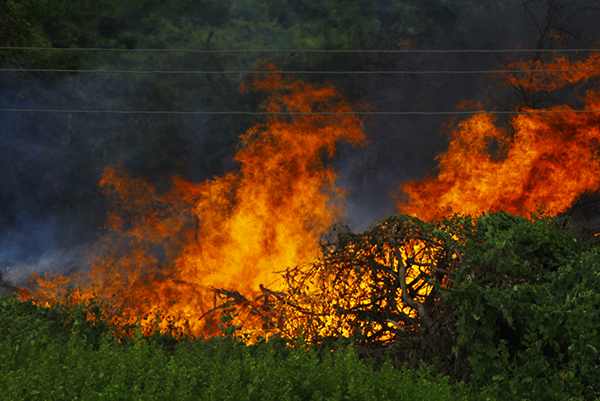
Earlier this month, a wildfire ripped through more than 11,000 acres of the Everglades along the Miami-Dade and Broward County line. The Max Road Fire sent smoke billowing over Pembroke Pines, forced road closures for days, and came within 40 feet of at least one local business. By the time containment reached 80%, the headlines had already started to fade — but for anyone in commercial real estate, the story is far from over.
This Isn’t a One-Time Event
The Everglades are not a distant wilderness. They border some of South Florida’s fastest-growing commercial corridors, and during periods of drought, they can ignite with alarming speed. Florida’s wildfire season peaks from February through June, and 2026 has brought some of the most extreme drought conditions in recent memory. For commercial property owners and investors near western Broward or the Homestead corridor, this is a material risk factor — not background noise.
Insurance and Due Diligence Are Evolving
Florida’s property insurance market was already under pressure this spring. Carriers have been exiting the state, premiums have spiked, and wildfire risk — long dismissed as a Western U.S. problem — is now part of the underwriting conversation here. If you own or are evaluating a commercial property west of I-75 or near the Everglades perimeter, it’s worth a direct conversation with your broker about how that exposure is being priced.
Due diligence needs to keep pace as well. The wildfire knocked out power along Krome Avenue and closed roads for days — real disruptions for businesses that depend on supply chain access and continuous operations. Beyond flood zone classifications, today’s CRE analysis in South Florida should include wildfire risk mapping and proximity to undeveloped land, especially for industrial and logistics properties being pushed westward as land costs rise in established corridors.
Where Opportunity Still Lives
Risk and opportunity move together. The same wildfire event that raises flags in fringe submarkets reinforces the value of well-located infill properties in places like Dania Beach, Pompano Beach, Doral, and Hialeah. When environmental disruptions prompt buyers and tenants to reassess, demand for proven, infrastructure-supported commercial space tends to strengthen.
South Florida remains one of the most dynamic CRE markets in the country. But the risk landscape is evolving, and this month’s smoke was a reminder that smart due diligence here means looking in more directions than ever before.
References:
https://www.foxweather.com/weather-news/everglades-wildfire-miami-metro-broward-county