The commercial real estate landscape looks very different today than it did even a few years ago. According to The Wall Street Journal, many commercial builders are now overwhelmingly prioritizing data-center projects, and largely stepping back from traditional segments like office, retail, multifamily, and warehouse construction.
This shift is more than a headline trend, it’s reshaping the way developers, investors, and brokers think about commercial real estate opportunities and risks in 2026.
A Diverging Construction Market
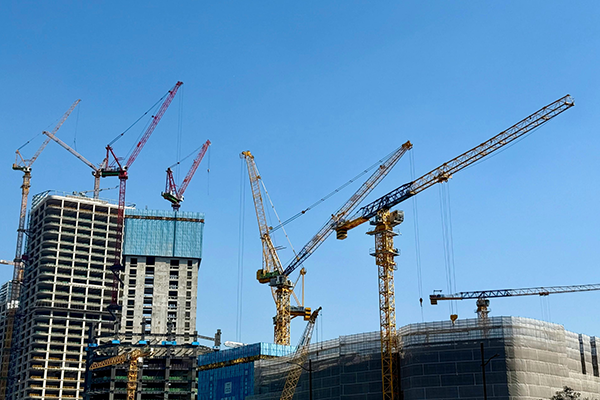
Commercial construction overall is showing little to no real growth this year. Higher interest rates, rising material costs, and labor shortages are pushing many traditional projects off the drawing board or into delayed pipelines. Traditional commercial real estate property types—offices, hotels, apartments, and warehouses—are all projected to see flat or declining construction spending.
But there is one notable exception: data centers.
Driven by surging demand from large technology companies and hyperscalers to support artificial intelligence, cloud computing, and digital infrastructure, data-center construction is expected to grow by more than 20% in 2026 and now represents an increasingly large share of total nonresidential building activity.
Why Data Centers Are Pulling Ahead
Several key factors explain why commercial builders are prioritizing data centers:
1. Unprecedented Demand from Tech and AI Platforms
Tech giants like Amazon, Google, Oracle, and others are investing billions into building AI and cloud infrastructure. These facilities are critical to running AI workloads, and the demand shows no sign of slowing. Unlike traditional CRE sectors, this demand is often backed by long-term contracts and deep capital pools, insulating data center projects from the typical pressures slowing other sectors.
2. Scale and Revenue Potential
Data center projects are massive in scale and capital intensity, frequently topping $1 billion for a single facility due to complex electrical, cooling, and redundancy infrastructure needs. For builders, this means larger contracts, longer project timelines, and often more predictable revenue than speculative office or retail builds.
3. Labor and Specialty Requirements
These projects are also reshaping construction labor demands. Builders with deep experience in mission-critical electrical and power infrastructure are finding themselves in high demand. In many cases, data center projects now command longer backlogs and more skilled labor than traditional office or multifamily construction.
Impacts on the Commercial Real Estate Market
For brokers, investors, and developers, the implications of this shift are significant:
Capital Flow Shifts
Institutional and private capital is increasingly allocating funds to digital infrastructure as part of diversified CRE portfolios. That’s pushing valuations and investor interest into data centers, and away from property types that still struggle with oversupply and uncertain tenant demand.
Land and Development Competition
Hot markets for data centers, such as Northern Virginia, Dallas, Phoenix, and Atlanta, are seeing competitive land markets where tech infrastructure demand is reshaping traditional land use. This competition sometimes puts pressure on residential and industrial development pipelines.
Risk and Return Divergence
While traditional CRE segments remain sensitive to economic cycles, interest rates, and tenant demand shifts, data centers are increasingly treated as mission-critical infrastructure assets with long-duration leases and durable demand signals tied to digital economy growth.
What CRE Professionals Should Watch
As data center construction continues to grow, commercial real estate professionals should consider how this trend influences broader real-estate dynamics:
- Valuation frameworks: Data centers may require different underwriting metrics than traditional CRE, emphasizing tenant credit, long-term power costs, and connectivity infrastructure.
- Market positioning: Brokers and developers with expertise in industrial and tech-related assets are poised to capture more of the growth momentum.
- Infrastructure constraints: Power availability, utilities capacity, and regional planning are becoming central determinants of where data center demand will concentrate next.
Conclusion
The commercial construction market in 2026 is not just slowing, it is rebalancing. Data centers now represent a structural growth segment amid broader headwinds in other commercial property types. For Cohen Commercial and the larger real estate community, this presents both challenges and opportunities.
Understanding how demand for data centers integrates with broader portfolio strategies, and how that demand reshapes land, labor, and investment dynamics, will be key for brokers and investors navigating the market today.
If you’re interested in exploring how these trends affect your assets or investment strategies, our team at Cohen Commercial is here to help interpret the data and identify where opportunity meets execution in this shifting landscape.
References: